Brick House Maduro Cigars
The Brick House Maduro line occupies a recognized place within the modern cigar landscape due to its distinctive dark wrapper, traditional handmade construction, and connection to a long-established cigar-producing family. Although cigar preferences vary widely among adult enthusiasts, many appreciate clear, factual information about the origin, materials, craftsmanship, and structural attributes of a cigar line before forming their own impressions. This overview presents a comprehensive, non-promotional outline of Brick House Maduro Cigars, tracing their development, construction process, manufacturing philosophies, and physical characteristics. It also explores how the line fits into the broader history of the brand and the traditions that influenced its creation.
1. Brand Background and Origins
The Brick House brand is produced by J.C. Newman Cigar Company, one of the oldest family-owned cigar manufacturers in the United States. Founded in 1895 by Julius Caeser Newman, the company has maintained more than a century of operations, evolving alongside the shifts in tobacco cultivation, cigar production, and consumer culture. The name “Brick House” originates from the founder’s childhood home in Hungary: a brick-built structure that doubled as an inn for travelers. The concept of community, family, and shared heritage became part of the brand’s identity, though the modern Brick House lines differ significantly from the cigars produced during the company’s early years.
The contemporary Brick House series was revived in the 2000s by the Newman family as part of a broader effort to reconnect the company’s past with modern cigar craftsmanship. The Maduro extension was introduced afterward to offer a darker, differently processed wrapper paired with the existing Nicaraguan blend philosophy that the Brick House brand had become known for. Because the Maduro wrapper type requires a unique fermentation process, the line distinguished itself immediately from the standard Brick House Natural offering.
Although the Maduro extension fits comfortably within the brand’s core portfolio, it also reflects the industry-wide development of fuller-colored cigars in response to changing adult preferences. The line’s existence highlights how traditional manufacturers adapt historical brands for contemporary tastes while preserving a sense of heritage.
2. Maduro Wrapper Characteristics
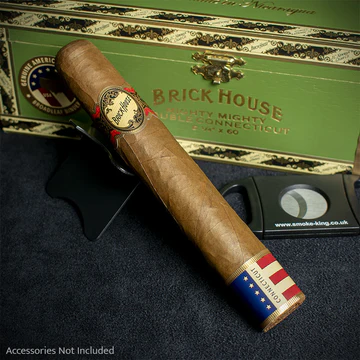
A defining aspect of Brick House Maduro Cigars is the wrapper. Maduro wrappers are known for their darker coloration, typically achieved through prolonged fermentation that darkens the leaf and alters its natural oils. The wrapper used in the Maduro line is Brazilian Arapiraca, a variety widely appreciated in the cigar industry for its rich coloration and naturally oily texture. The Arapiraca region of Brazil has produced tobacco for decades, and its harvesting and fermentation methods result in leaves that align with the “Maduro” classification.
The term “Maduro” refers not to a specific type of leaf but to the fermentation process that deepens color and changes the aroma characteristics of the wrapper. During fermentation, leaves are stacked in pilones where natural heat develops. Workers periodically turn the stacks to control temperature and ensure even processing. Although every manufacturer controls this process differently, the goal is generally to achieve a darker, well-conditioned wrapper leaf with improved flexibility and suitable burn characteristics.
In the context of Brick House Maduro Cigars, the Arapiraca wrapper offers a uniform appearance with color tones ranging from chocolate brown to near-oscuro shades. Its surface often displays visible oil, a natural byproduct of fermentation, and the leaf’s elasticity makes it appropriate for hand-rolling. Because wrapper appearance often influences buyers’ first impressions, its evenness, minimal vein structure, and texture are essential technical details of this line.
3. Binder and Filler Composition
The binder and filler tobaccos in Brick House Maduro Cigars are sourced from Nicaragua, consistent with the broader Brick House blending philosophy. Nicaragua has become a major center of cigar leaf cultivation, producing leaves across diverse regions such as Estelí, Condega, and Jalapa. Although J.C. Newman does not disclose exact blend proportions, available industry information indicates a combination of Nicaraguan long-filler tobaccos chosen to provide a balanced structure beneath the darker wrapper.
Long-filler cigars typically contain leaves that run the entire length of the cigar, offering consistent airflow and reducing the likelihood of unwanted burn issues. The binder leaf, which lies between the filler and the wrapper, stabilizes the internal structure. Nicaraguan binders are commonly selected for durability and predictable burn behavior, though batch variations can occur due to natural differences between harvested leaves.
Because the Maduro wrapper influences the cigar’s overall aroma profile, the filler blend is designed to complement rather than compete with the wrapper’s characteristics. This balance of wrapper dominance and filler support is a common theme in many Maduro cigars across the industry and helps explain the construction approach chosen for this line.
4. Construction and Handmade Production
Brick House Maduro Cigars are produced in Nicaragua at the J.C. Newman PENSA factory, a significant facility within the company’s manufacturing network. Production follows traditional handmade techniques, beginning with tobacco sorting and preparation. Leaves undergo classification based on size, texture, and visual quality. After sorting, the filler tobaccos are placed together according to the blend formula, and a worker known as a buncher arranges them into a cylindrical formation that determines airflow and density.
The binder leaf is wrapped around this bunch to form the core of the cigar, after which a roller applies the wrapper leaf using traditional torcedor techniques. Because the wrapper must remain visually clean, rollers work carefully to avoid wrinkles, tears, or uneven alignment. Once shaped, cigars are pressed in wooden molds to ensure symmetry before receiving their final wrapper application and cap construction.
Quality control includes draw testing, where selected cigars are placed into a machine that measures airflow resistance. While handmade cigars can exhibit natural variations, factories strive to maintain consistency by verifying that airflow meets predetermined standards. Cigars that do not meet these standards are set aside for correction or disassembly.
Finally, cigars rest for a period to allow moisture levels to stabilize before distribution. This resting stage is an important part of the construction cycle, as the wrapper, binder, and filler need time to harmonize after rolling.
5. Vitola Range and Size Considerations
The Brick House Maduro line is produced in several traditional cigar vitolas. Common sizes include Corona, Robusto, Toro, and Churchill formats, though availability may differ by region or retailer. Each size shares the same core blend, but dimensions influence burning time, smoke density, and wrapper-to-filler ratio.
A smaller ring gauge typically increases wrapper influence, since the wrapper makes up a larger proportion of the cigar’s overall tobacco content. Conversely, cigars with larger ring gauges burn more slowly and provide a cooler smoke. Length affects duration, with shorter vitolas offering briefer sessions and longer ones extending the experience. These structural differences explain why enthusiasts sometimes compare multiple vitolas from the same line to observe how the blend behaves across formats.
Handmade cigars are individually crafted, so small variations in rolling can subtly influence each cigar. Nevertheless, manufacturers aim for uniformity by training rollers in standardized techniques.
6. Combustion and Draw Characteristics
Combustion refers to the way a cigar burns, including burn line, ash formation, and smoke production. Maduro wrappers like Arapiraca contain natural oils that can influence burn behavior. Ideally, the burn line progresses evenly along the circumference of the cigar, although external factors such as humidity or wind may affect performance.
The draw — the resistance felt when pulling air through the cigar — results from the density of the filler tobaccos and how they are bunched. Factories aim to achieve a balanced draw that is neither overly tight nor too open. Variations are inherent to handmade production, but systematic draw testing helps maintain predictability.
Ash color can differ based on mineral content in the soil where tobacco was grown. Nicaraguan soils often create firm ash due to volcanic mineral composition. Although ash appearance rarely indicates cigar quality on its own, enthusiasts sometimes observe it as part of their overall evaluation.
7. Aroma and Sensory Characteristics (Neutral Explanation)
While aroma descriptions are subjective, general characteristics of Maduro-wrapped cigars often include notes such as cocoa, earth, coffee, or natural sweetness arising from the fermentation process. Brick House Maduro Cigars may display similar traits associated with the Arapiraca wrapper and Nicaraguan filler combination. Any perceived sensory qualities vary from person to person, and no single description applies universally. The purpose of identifying these traits is simply to document common observations rather than to influence preference.
8. Packaging and Presentation
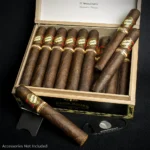
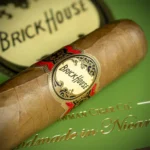
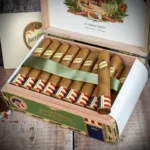
Brick House cigars are typically packaged in wooden boxes, continuing the tradition common among premium handmade cigars. Boxes serve both aesthetic and functional roles by protecting cigars during transport and offering a stable environment. The Maduro line’s presentation includes bands that differentiate it from the Natural version, usually featuring a darker design scheme to reflect the Maduro identity. Packaging may also include inserts or informational cards describing the brand’s history, though these materials vary over time.
9. Storage, Handling, and Care
Proper storage is essential for maintaining cigar condition. Most handmade cigars, including Brick House Maduro, are intended to be stored at approximately 65–70% relative humidity and 18–20°C (64–68°F) temperature. This prevents over-drying, which can cause cracking, and over-humidification, which can encourage burn issues or mold. Humidors made from Spanish cedar are often used because the wood helps regulate moisture levels.
Rotating cigars within a humidor can help maintain even humidity exposure. Using a calibrated hygrometer ensures accurate readings, and seasoning wooden humidors before use prevents moisture imbalance. Careful handling reduces the risk of damaging the wrapper, which is more delicate due to its fermentation and oil content.
10. Historical and Industry Context
Brick House Maduro Cigars represent a blend of traditional cigar-making practices and modern trends. The resurgence of Maduro cigars reflects the industry’s broader evolution over recent decades, as advances in fermentation methods and global tobacco sourcing have expanded the range of available wrapper types. The use of Brazilian Arapiraca demonstrates the increasing cross-regional collaboration between growers and manufacturers.
The Newman family’s commitment to maintaining historical ties while operating modern production facilities contributes to the line’s identity. By reviving a historical brand and extending it with Maduro variations, J.C. Newman illustrates how legacy companies adapt to contemporary markets while preserving craftsmanship traditions.
Conclusion
Brick House Maduro Cigars exemplify the intersection of heritage, regional tobacco cultivation, and handmade cigar production. Their Brazilian Arapiraca wrapper, Nicaraguan filler and binder, and traditional construction methods provide a clear example of how modern cigar lines integrate diverse components into a single product identity. Although perceptions of any cigar line differ among adult enthusiasts, factual information about origin, materials, craftsmanship, and structure helps readers understand what defines the Brick House Maduro series. This overview offers a comprehensive, non-promotional reference for those seeking objective details about the line’s background and construction.