HAND ROLLING TOBACCO
Hand Rolling Tobacco: A Historical and Cultural Insight
Introduction
Hand rolling tobacco, often referred to as roll-your-own tobacco (RYO), has been a part of global smoking culture for centuries. Unlike factory-produced cigarettes, hand rolling tobacco allows users to create personalized cigarettes by manually filling paper tubes or cigarette paper with loose-leaf tobacco. While many associate hand rolling with affordability or customization, its significance stretches far beyond practical benefits.
In this comprehensive guide, we will explore the origins, cultural relevance, manufacturing processes, legal regulations, health implications, and modern trends associated with hand rolling tobacco. Whether you’re conducting research or seeking unbiased insights, this article aims to deliver an objective, informative perspective.
1. The History of Hand Rolling Tobacco
1.1 Origins and Early Use
The practice of hand rolling tobacco can be traced back to the early days of tobacco cultivation. Indigenous peoples in the Americas used tobacco in spiritual and medicinal practices, often rolling it in natural leaves for smoking. After tobacco was introduced to Europe in the 16th century, its popularity grew rapidly.
By the 17th and 18th centuries, tobacco smoking evolved in form. While pipes and snuff were common, rolling tobacco into small paper tubes became increasingly popular due to convenience. This marked the beginning of modern rolling tobacco history.
1.2 Industrial Revolution and Mass Production
The Industrial Revolution changed tobacco consumption significantly. With advances in machinery, mass-produced cigarettes began dominating the market by the late 1800s. Still, hand rolling tobacco remained popular among certain populations—especially in rural areas where access to manufactured cigarettes was limited.
During wartime, soldiers often received loose tobacco rations, keeping the culture of hand rolling alive. The tradition persisted into the 20th century, even as big brands gained global dominance.
2. The Cultural Relevance of Hand Rolling
2.1 Global Variations
Different cultures adopted hand rolling tobacco in diverse ways:
-
In Europe, especially in countries like the UK, Spain, and the Netherlands, rolling tobacco is considered an economical and sometimes artisanal practice.
-
In India and Southeast Asia, traditional forms like beedis and cheroots often involve hand-rolled tobacco, sometimes mixed with herbs.
-
In the United States, the practice is less mainstream but still present among certain demographics and subcultures.
2.2 Personalization and Ritual
Many users prefer hand rolling due to the sense of control it offers. Choosing the paper type, filter (if any), and tobacco blend allows for customization. For some, the rolling process becomes a daily ritual, often associated with relaxation or social connection.
3. Types of Hand Rolling Tobacco
3.1 Virginia Tobacco
One of the most commonly used types in RYO products, Virginia tobacco is known for its bright color and naturally sweet flavor. It burns slowly and is preferred by many European smokers.
3.2 Burley Tobacco
Heavier and air-cured, Burley offers a robust, earthy flavor. It is often used in blends to balance out milder varieties.
3.3 Oriental Tobacco
Grown primarily in the Middle East and Mediterranean, this variety is sun-cured and aromatic. It is frequently included in specialty rolling blends.
4. Tobacco Manufacturing Process
Understanding the tobacco manufacturing process behind hand rolling products gives insight into its quality and safety considerations.
4.1 Cultivation and Harvesting
Tobacco plants require a warm climate and well-drained soil. Once mature, the leaves are harvested, either all at once (primed) or progressively, depending on the desired quality.
4.2 Curing and Fermentation
Curing allows the leaves to develop color, aroma, and texture. Methods include:
-
Air-curing (used for Burley)
-
Flue-curing (used for Virginia)
-
Sun-curing (used for Oriental)
After curing, some tobaccos undergo fermentation to further enhance flavor and reduce bitterness.
4.3 Blending and Cutting
Manufacturers blend different tobaccos to achieve desired flavors and nicotine levels. The cut of the tobacco—fine, medium, or coarse—affects how it rolls and burns.
5. Legal and Regulatory Considerations
5.1 International Regulations
Most countries regulate tobacco products strictly. Hand rolling tobacco is no exception. Regulatory bodies such as:
-
The U.S. FDA (Food and Drug Administration)
-
The European Union Tobacco Products Directive (TPD)
-
The WHO Framework Convention on Tobacco Control (FCTC)
…require accurate labeling, restrict marketing, and enforce packaging regulations.
5.2 Taxes and Pricing
In many regions, hand rolling tobacco is taxed differently than manufactured cigarettes. Although it’s often seen as a cheaper alternative, increasing taxes aim to reduce its accessibility and consumption.
5.3 Age Restrictions and Sales
Globally, the sale of tobacco products is limited to legal adults—usually age 18 or older. Vendors must comply with ID verification laws and advertising restrictions.
6. Health and Safety Concerns
6.1 Misconceptions About Safety
A common belief is that hand rolled cigarettes are “healthier” due to fewer additives. However, studies show that RYO cigarettes can deliver more tar, nicotine, and carbon monoxide due to lack of standardized filters and denser packing.
6.2 Addictive Nature
Like all tobacco products, rolling tobacco contains nicotine—a highly addictive substance. Regular use leads to physical and psychological dependence.
6.3 Secondhand Smoke
Hand rolled cigarettes emit harmful substances, contributing to secondhand smoke exposure. This poses risks to non-smokers, particularly children and those with respiratory issues.
7. Environmental and Ethical Considerations
7.1 Agricultural Impact
Tobacco cultivation requires significant pesticide use, which may affect soil quality and biodiversity. Furthermore, tobacco farming can contribute to deforestation in some areas.
7.2 Labor Conditions
In several tobacco-producing regions, labor rights remain a concern. Child labor, unfair wages, and unsafe conditions are prevalent issues within parts of the supply chain.
Organizations like the Fair Trade Tobacco Alliance advocate for more sustainable and ethical farming practices.
8. Trends and Modern Developments
8.1 Organic and Additive-Free Options
As awareness of health and environmental issues grows, some manufacturers now offer organic, additive-free, or natural hand rolling tobacco. These products aim to reduce chemical exposure, though they are not risk-free.
8.2 DIY Culture and Rolling Accessories
The rise of DIY and eco-conscious lifestyles has renewed interest in hand rolling. Smokers can now choose from a wide range of:
-
Unbleached rolling papers
-
Biodegradable filters
-
Tobacco pouches made of sustainable materials
8.3 Legalization and Harm Reduction
In certain countries, legal cannabis markets have intersected with rolling tobacco culture. Some users mix tobacco with legal cannabis, though health officials caution against this due to increased addiction risks.
Additionally, some harm-reduction groups recommend switching to non-combustible alternatives like nicotine pouches or e-cigarettes, though these too carry health concerns.
9. Conclusion
While hand rolling tobacco carries cultural and historical significance, it is essential to approach the topic with nuance. Its artisanal appeal and global presence are undeniable, but so too are the health risks and environmental consequences. As regulations tighten and consumer behaviors shift, the future of hand rolling tobacco remains uncertain but undeniably important in discussions surrounding public health, cultural heritage, and personal freedom.
Whether you’re a historian, student, policymaker, or simply curious, understanding the full picture of hand rolling tobacco empowers more informed decisions and meaningful conversations.
Showing 1–9 of 30 results
-
Sale!

Amber Leaf 50g – Original Hand Rolling Tobacco
Price range: £65.00 through £1,350.00 Select options This product has multiple variants. The options may be chosen on the product page -
Sale!

Amber Leaf Original Hand Rolling Tobacco – 30g Pouch
Price range: £85.00 through £1,790.00 Select options This product has multiple variants. The options may be chosen on the product page -
Sale!

American Spirit Blue Hand Rolling Tobacco – 30g Pouch
Price range: £65.00 through £1,350.00 Select options This product has multiple variants. The options may be chosen on the product page -
Sale!
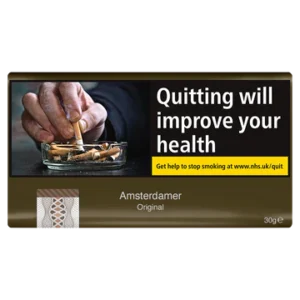
Amsterdamer Original Hand Rolling Tobacco – 30g Pouch
Price range: £55.00 through £1,185.00 Select options This product has multiple variants. The options may be chosen on the product page -

Auld Kendal Tobacco – 30g
£45.50 Add to cart -

Auld Kendal (Golden Blend Latakia) Fine Cut Hand Rolling Tobacco – 50g
£13.75 Add to cart -

Auld Kendal (Golden Blend Original) Fine Cut Hand Rolling Tobacco – 50g
£33.75 Add to cart -

Auld Kendal (Pre Packed) Golden Blend | Hand Rolling Tobacco – 30g
£10.50 Add to cart -
Sale!

Auld Kendal Tobacco | Dark Fine Cut – 50g
Price range: £85.00 through £3,580.00 Select options This product has multiple variants. The options may be chosen on the product page