
CUBAN CIGARS
Cuban Cigars: Premium Cuban Cigars for Connoisseurs & Collectors
Cuban cigars have long been considered the gold standard in the world of tobacco. When you buy authentic Cuban cigars, you embrace centuries of craftsmanship, rich tradition, and unparalleled flavor. Below is a comprehensive guide to Cuban cigars — their history, regions, flavor, how they are made, and why they remain so desirable worldwide.
Table of Contents
-
History of Cuban Cigars
-
Tobacco Regions & Terroir
-
What Makes Cuban Cigars Unique
-
Flavor Profiles Across Brands
-
Construction, Aging & Quality
-
Sizes, Shapes & Vitolas
-
How to Buy & Store Authentic Cuban Cigars
-
Pairing & Smoking Tips
-
Common Myths & FAQs
-
Conclusion
1. History of Cuban Cigars
The story of Cuban cigars begins even before the arrival of Europeans. Indigenous peoples in Cuba and other Caribbean islands were cultivating tobacco and rolling primitive cigars. When Christopher Columbus landed in 1492, he and his crew encountered this plant and its use among the natives.
Over time, as Spanish colonization advanced, tobacco became one of Cuba’s key agricultural exports. By the 17th and 18th centuries, Cuban tobacco cultivation had spread, especially in the western provinces of Cuba, and cigar factories were established.
In the 19th century, Cuban cigars gained international reputation. Aristocrats and elites in Europe and North America prized them. Factories like Montecristo, Romeo y Julieta, Partagás, Hoyo de Monterrey, and many others became famous.
After the Cuban Revolution in 1959, the industry was nationalized. Government agencies such as Cubatabaco and later Habanos S.A. came into being to oversee cultivation, manufacturing, branding, and export.
During the U.S. embargo (officially from early 1960s onward), Cuban cigars were banned from legal U.S. import. However, that restriction amplified their mystique. As a result, demand grew in other markets and among connoisseurs.
Today, Cuban cigars are as much cultural icons as they are luxury products. They continue to be exported globally, particularly under strict controls to guarantee authenticity and quality.
2. Tobacco Regions & Terroir
Where tobacco grows matters perhaps as much as how it is processed. In Cuba, terroir is vital to what makes Cuban cigars distinctive.
Vuelta Abajo (Pinar del Río)
-
Vuelta Abajo, located in Pinar del Río province in western Cuba, is widely regarded as the most prestigious tobacco growing region in the world. Its soil is fertile and rich in minerals, its climate humid and warm, and its micro‑climates vary within small areas. Leaves from Vuelta Abajo are often used in wrappers, binders, and fillers of the highest quality cigars.
Semi Vuelta, Partido, and Other Regions
-
Aside from Vuelta Abajo, regions such as Semi Vuelta, Partido, and Remedios contribute to the flavor and complexity. More moderate climate and slightly different soil give leaves with lighter body or distinctive aroma. They are frequently used for fillers and occasionally wrappers for milder cigars.
Soil, Climate, and Tradition
-
The soil in top regions often contains iron, clay, quartz, and volcanic minerals. Combined with Cuba’s tropical climate, regular rainfall, and sun cycles, tobacco plants mature slowly and uniformly. Because tradition has been preserved over generations, farmers know which seed varieties perform best, how to ferment, age, and dry leaves optimally.
3. What Makes Cuban Cigars Unique
Many cigars are produced worldwide, but few match what Cuban cigars deliver. Several factors contribute to their uniqueness:
-
Full control of tobacco production: From seed to wrapper, Cuban producers under state authority manage farms, factories, and quality control. This centralized structure ensures that standards are met consistently.
-
Handmade craftsmanship: Each cigar is rolled by torcedores using traditional skills. Wrappers are selected carefully; fillers and binders are blended to balance flavor, strength, and burn.
-
Flavor complexity: Cuban cigars are often praised for earthy, woody, spicy, herbal, and sometimes sweet or creamy notes. Depending on brand and region, you might detect cocoa, coffee, cedar, leather, pepper, hay or grass, and mineral undertones.
-
Aging & fermentation: Leaves are fermented and aged under careful conditions. Aging helps reduce harshness, allow flavor maturation, and enable the smoke to be smoother.
-
Tradition & prestige: Because Cuban cigars have been associated with luxury, status, and culture for centuries, they are seen as symbols. That perception elevates their desirability. Moreover, the scarcity in certain markets (e.g. due to embargoes) increases demand.
4. Flavor Profiles Across Brands
While “Cuban cigars” is a broad term, different brands deliver different flavor experiences. Below are profiles of several iconic Cuban cigar brands and what you might expect when smoking each.
| Brand | Flavor Profile Highlights | Body / Strength | Best For |
|---|---|---|---|
| Cohiba | Often creamy, smooth, elegant; notes of cedar, cocoa, subtle pepper; layered strength that builds gradually. | Medium‑full | Connoisseurs seeking refinement and prestige. |
| Montecristo | Balanced with cocoa, cedar, mild spice; often accessible yet complex. | Medium | Smokers who want classic Cuban taste without extreme intensity. |
| Romeo y Julieta | Aromatic, floral, cedar, sometimes fruity or spicy; more approachable. | Medium | Beginners or lovers of milder but distinguished smoke. |
| Partagás | Rich earth, leather, pepper, some intensity; bold flavor and full character. | Full | Those who prefer strong, robust cigars with character. |
| Hoyo de Monterrey | More delicate, sweeter, floral, with lighter body; sometimes creamier finish. | Mild‑medium | For relaxation, quieter moments, and lighter tastes. |
5. Construction, Aging & Quality
Seed Varieties & Harvesting
-
Seed selection matters. Cuban farms use tobacco seed lines that have matured through generations in their climate. They know which seed yields the best wrapper, which leaves are filler, which binder should be used. Because of that experience, leaves harvested during the right season (often later in plant’s life) tend to be richer.
-
Some special leaves like medio tiempo (half‑shade leaves high in strength) are rare and used in premium lines.
Fermentation & Aging
-
After harvest, leaves undergo fermentation to reduce ammonia, develop aroma, and improve combustibility. Aging may follow: leaves are stored in controlled humidity and temperature for months or years. The longer aging is applied, the more complexity arises.
-
Wrappers are especially sensitive and aged carefully to reduce defects, ensure color, and preserve oils.
Rolling & Quality Control
-
Skilled rollers (torcedores) hand‑roll each cigar. They ensure tightness, even draw, proper shape, and minimal flaws.
-
Factories use inspectors who examine consistency, draw, burn, cut, ash, and wrapper appearance. Authentic boxes bear the “Hecho en Cuba” or “Hecho a Mano / Totalmente a Mano” labels indicating authenticity.
6. Sizes, Shapes & Vitolas
“Vitola” refers to the size and shape of the cigar. Cuban cigars are offered in many vitolas so that smokers can choose based on strength, burn time, and preference.
-
Robusto, Toro, Churchill, Corona etc.: these are common sizes. Shorter and thicker cigars usually deliver more intense flavor per minute, while longer cigars allow flavors to develop more slowly.
-
Figurados: shapes such as Torpedo, Belicoso, Perfecto provide tapered heads, pointed or round ends, which can concentrate flavor in different ways.
-
Special editions / regional editions: some cigars are released in limited shapes or sizes, sometimes in special boxes or tubes. Those often become collectible items.
7. How to Buy & Store Authentic Cuban Cigars
Buying Authenticity
Because Cuban cigars are premium and often restricted, counterfeits exist. To ensure authenticity:
-
Buy from authorized dealers or official Habanos retailers.
-
Look for proper packaging: sealed boxes, bands, serial numbers, the “Hecho en Cuba” stamp, official government holograms (where applicable).
-
Inspect wrapper: authentic wrappers have fine veins, consistent color, no large blemishes; aroma before lighting should be rich and earthy.
Storage
-
Keep cigars at proper humidity (usually around 65‑70%) and temperature (around 18‑21 °C or 64‑70 °F).
-
Use a humidor with proper seasoning. Rotate stock and allow new cigars to acclimate before smoking.
-
Avoid extremes: too dry causes wrapper cracking; too wet can lead to mildew, mold, or uneven burn.
8. Pairing & Smoking Tips
Lighting & Cutting
-
Use a sharp cutter (straight cut or V‑cut) to avoid tearing the wrapper.
-
Light evenly: toast the foot first, then draw evenly; relight gently if needed.
-
Smoke slowly; pause between draws to let cigar rest so flavors develop.
Pairings
-
Drinks: Coffee (espresso or dark roast), aged rum, cognac, single malt whiskies, dark beers.
-
Foods: Dark chocolate, smoked meats, cheese, or nuts complement many Cuban cigars.
-
Moments: After dinner, relaxed settings, special occasions. Because Cuban cigars are often premium, they are best enjoyed without rushing.
9. Common Myths & FAQs
| Question | Answer |
|---|---|
| Are all Cuban cigars very strong / harsh? | Not at all. While many Cuban cigars are full in flavor, others are medium or mild, depending on brand, size, wrapper, and filler. Brands like Hoyo de Monterrey tend to be gentler. |
| Can Cuban cigars be sold legally in the USA? | U.S. federal law forbids import of Cuban cigars for commercial sale. However, travelers may carry limited quantities for personal use (rules vary). This restriction has not reduced global demand. |
| Do Cuban cigars always cost a lot? | Premium Cuban cigars tend to cost more, largely due to craftsmanship, regulation, aging, and export restrictions. However, there are entry‑level Cuban cigars that offer good value. |
| What determines cigar burn and draw? | Proper rolling, correct humidity, and consistent storage. Also, cigar shape, filler blend, and wrapper quality affect burn behaviour. |
| How do I know if a cigar is authentic? | Check for official packaging, proper branding, quality of wrapper, uniform shape, fine bands, and sometimes official holograms. Purchase through trusted, authorized outlets. |
10. Conclusion
To sum up, Cuban cigars remain at the pinnacle of premium tobacco because of their heritage, terroir, craftsmanship, and unique flavor. When you buy authentic Cuban cigars, you acquire more than smoke — you acquire history, artistry, and a sensory journey. Whether you’re a collector or a newcomer, there has never been a better time to explore the world of Cuban habanos. Elevate your experience, discover your preferred brand, savor every draw — premium Cuban cigars await.
Showing 1–9 of 14 results
-
Sale!
BUY TOP GUN CIGARETTE
Price range: £20.00 through £1,240.00 Select options This product has multiple variants. The options may be chosen on the product page -
Sale!
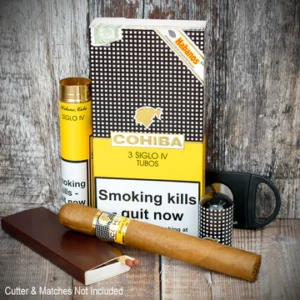
Cohiba Cigars Siglo IV (Tubos) Cuban – 3 Pack
Original price was: £550.00.£420.00Current price is: £420.00. Select options This product has multiple variants. The options may be chosen on the product page -
Cohiba Maduro 5 Secretos Cuban Cigars – Single
£35.00 Add to cart -
Cohiba Robustos Cuban Cigars – Single
£64.00 Add to cart -
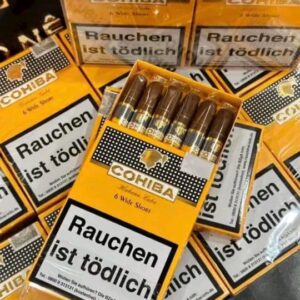
Cohiba Siglo
£65.00 Add to cart -
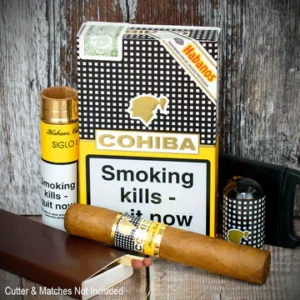
Cohiba Siglo I (Tubos) Cigars – 3 pack
£96.00 Add to cart -
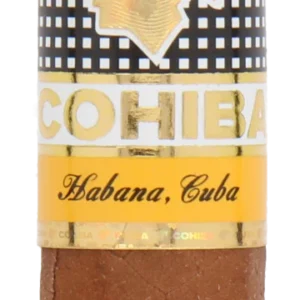
Cohiba Siglo I (Tubos) Cuban Cigars – Single
£13.00 Add to cart -
Cohiba Siglo I Cuban Cigars – Single
£28.00 Add to cart -
Sale!
Cohiba Siglo II (Tubos) Cuban Cigars
Price range: £150.00 through £7,700.00 Select options This product has multiple variants. The options may be chosen on the product page