Cigarettes
Cigarettes: Health Risks, Global Regulations, and Why Quitting Is So Difficult
Introduction: Cigarettes in a Changing World
Despite decades of public health campaigns, cigarettes remain a persistent global health concern. With over 1.1 billion smokers worldwide, tobacco continues to claim millions of lives each year. But what exactly makes cigarettes so dangerous? Why is it so hard to quit, even when people want to? And how are different countries responding to the epidemic?
In this article, we’ll explore:
-
The major health risks of smoking cigarettes
-
The global legal and cultural responses to tobacco use
-
The psychological and physical reasons why quitting is such a challenge
Whether you’re a smoker, a loved one of a smoker, or simply someone seeking informed content, this guide delivers valuable insights — all while being optimized for search visibility, readability, and engagement.
Section 1: Health Risks of Cigarettes
1.1 What Happens When You Smoke a Cigarette?
When a cigarette is lit, it burns tobacco and additives, creating smoke that contains over 7,000 chemicals — including 70 known carcinogens. These substances enter the lungs, bloodstream, and organs, initiating widespread harm.
1.2 Short-Term Effects
Even occasional smoking can result in:
-
Elevated heart rate
-
Increased blood pressure
-
Reduced oxygen flow
-
Decreased lung function
Within minutes, nicotine reaches the brain, triggering a release of dopamine — the feel-good chemical — reinforcing the habit and paving the way for addiction.
1.3 Long-Term Health Effects
The long-term health consequences of smoking are devastating. According to the World Health Organization (WHO) and Centers for Disease Control and Prevention (CDC), smoking causes:
| Condition | Risk Increase |
|---|---|
| Lung cancer | 25× more likely |
| Heart disease | 2–4× more likely |
| Stroke | 2× more likely |
| COPD (Chronic Obstructive Pulmonary Disease) | Leading cause |
| Fertility issues | Common in both genders |
| Diabetes | ~30% higher risk |
Cigarettes also damage nearly every organ in the body — from the skin and eyes to the brain and bladder.
1.4 Secondhand Smoke: A Silent Killer
Non-smokers aren’t safe either. Secondhand smoke leads to over 1.2 million deaths annually. It causes:
-
Sudden infant death syndrome (SIDS)
-
Childhood asthma and infections
-
Adult heart disease and cancer
Section 2: Cigarettes and Global Regulation
2.1 The Tobacco Epidemic in Numbers
Globally, smoking kills more than 8 million people each year. Of these, around 1.2 million are non-smokers exposed to secondhand smoke.
Despite the known risks, tobacco companies continue to operate in over 180 countries, often targeting low- and middle-income populations where regulations are weaker.
2.2 How Countries Are Responding
Many governments have implemented aggressive policies to reduce smoking. Here are some key measures:
✅ Warning Labels
Most countries now require graphic health warnings on cigarette packaging. These serve to inform consumers of the dangers visually and textually.
✅ Public Smoking Bans
Indoor smoking bans in workplaces, restaurants, and public areas have reduced exposure to secondhand smoke.
✅ Tobacco Taxes
Higher taxes on tobacco products are one of the most effective strategies. The World Bank estimates that a 10% increase in price leads to a 4–6% drop in consumption.
✅ Age Restrictions
The legal age to purchase cigarettes is increasing globally — some countries like New Zealand have proposed a “smoke-free generation” law, banning cigarette sales to anyone born after 2008.
✅ Advertising Restrictions
Bans on tobacco advertising, promotion, and sponsorship limit the industry’s reach, especially among youth.
2.3 Countries Leading the Way
-
Australia: Introduced plain packaging — removing all branding — in 2012.
-
UK: Offers free cessation services through its National Health Service (NHS).
-
Bhutan: Banned cigarette sales entirely (though enforcement varies).
-
Philippines: Dramatic tax hikes have helped cut youth smoking rates by 40%.
Countries that enforce multiple regulations often see the biggest declines in smoking prevalence.
Section 3: Why Quitting Smoking Is So Difficult
3.1 Nicotine: A Powerful Addictive Agent
Cigarettes are more addictive than most drugs. Nicotine stimulates brain receptors, producing feelings of pleasure and calm. But withdrawal is uncomfortable — and fast.
After just a few hours without a cigarette, most smokers experience:
-
Irritability
-
Cravings
-
Fatigue
-
Difficulty concentrating
These symptoms can peak within the first few days and may last weeks.
3.2 The Psychological Connection
Quitting smoking isn’t just physical. The act is often tied to:
-
Stress relief
-
Social rituals
-
Habitual cues (e.g., after eating or during a break)
For many, cigarettes are deeply woven into daily life. That’s why behavioral therapy can be as crucial as nicotine replacement.
3.3 Common Myths About Quitting Smoking
Let’s bust some of the most persistent myths:
-
❌ “Quitting cold turkey is the only way.”
→ Gradual reduction works well for many. -
❌ “I’ve smoked too long, quitting won’t help now.”
→ The body starts repairing itself within hours of quitting. -
❌ “Nicotine patches are just swapping one addiction for another.”
→ Patches help break the psychological addiction while reducing physical withdrawal.
3.4 Effective Quit Methods
Many tools are available to help people quit smoking:
| Method | Success Rate (Approx.) |
|---|---|
| Nicotine Replacement Therapy | 20–30% with support |
| Prescription Medications (e.g., varenicline) | Up to 44% |
| Behavioral Therapy | 25–30% |
| Mobile Apps | 10–20% |
| Cold Turkey | 5–7% |
Combining behavioral support with medication significantly increases the chances of success.
Conclusion: Awareness, Policy, and Support Are Key
Cigarettes continue to be one of the leading causes of preventable death worldwide. Yet through education, strong public policy, and personalized cessation support, meaningful change is possible.
If you or someone you know is trying to quit, know this: it’s never too late to stop smoking. The body begins to heal almost immediately, and within a year, your risk of heart disease is cut in half.
Showing 1–9 of 30 results
-
Sale!

Alluve Lilac Superslims – 20 Cigarettes
Price range: £30.00 through £658.00 Select options This product has multiple variants. The options may be chosen on the product page -
Sale!

Benson & Hedges Blue Superkings – 20 Cigarettes
Price range: £30.00 through £658.00 Select options This product has multiple variants. The options may be chosen on the product page -
Sale!

Benson and Hedges Blue King Size – 20 Cigarettes
Price range: £30.00 through £658.00 Select options This product has multiple variants. The options may be chosen on the product page -
Sale!

Buy American Spirit Cigarettes -Yellow King Size
Price range: £30.00 through £164.00 Select options This product has multiple variants. The options may be chosen on the product page -
Sale!

Buy Benson and Hedges Gold King Size – 20 Cigarettes
Price range: £30.00 through £658.00 Select options This product has multiple variants. The options may be chosen on the product page -
Sale!

Buy Dunhill International Superking – 20 Cigarettes
Price range: £20.00 through £450.00 Select options This product has multiple variants. The options may be chosen on the product page -
Sale!
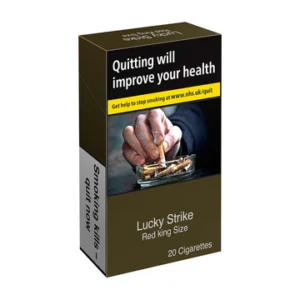
Buy Lucky Strike Red King Size – 20 Cigarettes
Price range: £28.00 through £1,495.00 Select options This product has multiple variants. The options may be chosen on the product page -

Buy Marlboro Gold Cigarettes – King Size – 20 Cigarettes
Read more -
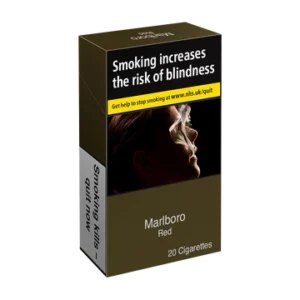
Buy Marlboro Red King Size – 20 Cigarettes
Read more